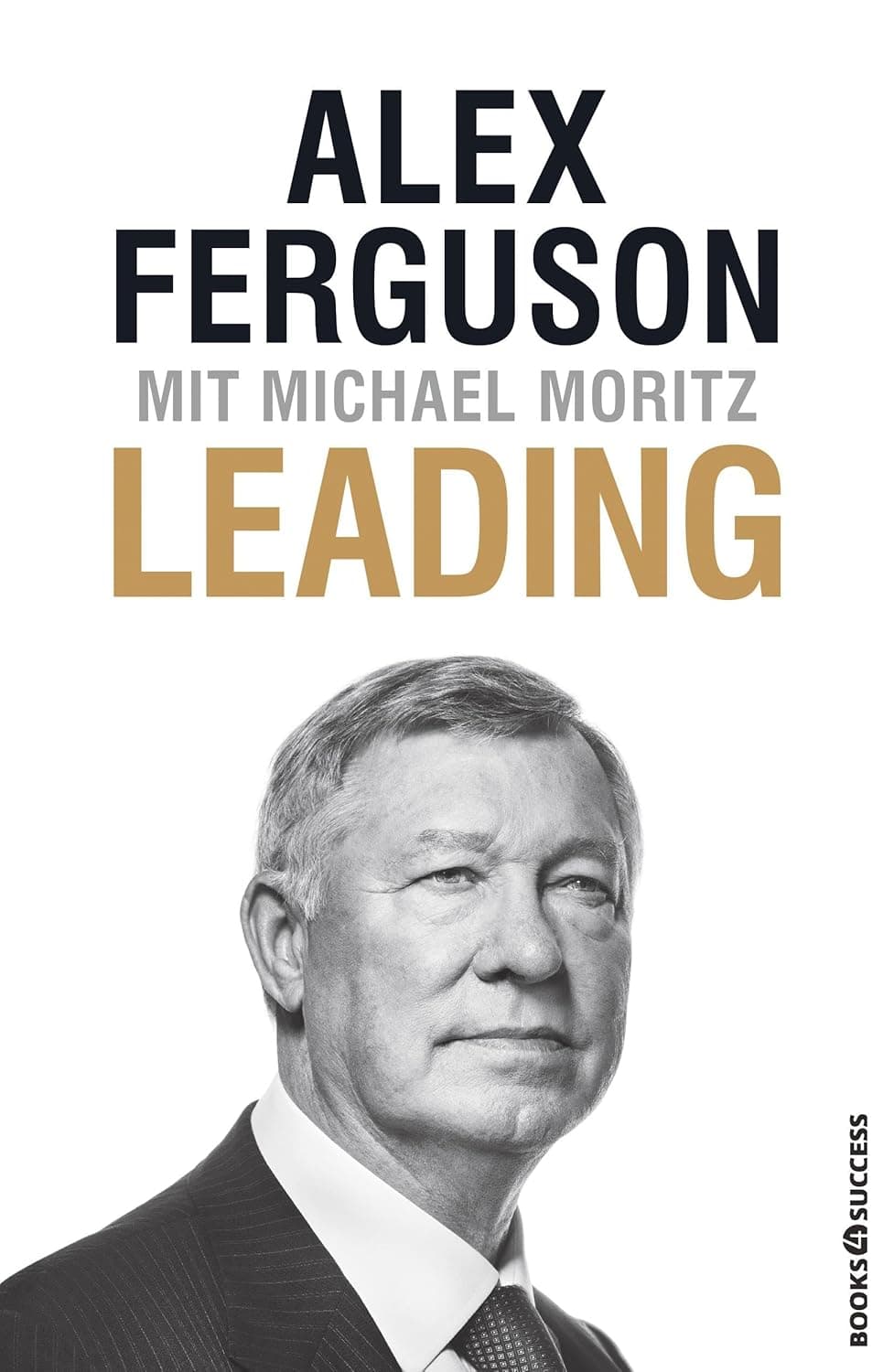
Synopsis
Leading is Alex Ferguson's reflection on 38 years in management—most famously at Manchester United—written with Michael Moritz. Ferguson covers building and rebuilding teams, handling star players, dealing with owners and the board, youth development, and the discipline required to sustain success across decades. The book is structured around themes (discipline, delegation, decision-making, change) rather than a chronological memoir.
He's candid about mistakes, about when to hold the line and when to adapt, and about the personal side of leadership: energy, family, and knowing when to step away. The tone is direct and practical, with stories that illustrate each point.
Why I Recommend It
Ferguson operated in an environment of intense scrutiny and constant change. The book translates his approach into principles that work beyond sport: building a pipeline of talent, setting non-negotiables, backing people while holding them accountable, and evolving the organisation without losing its core. For leaders in high-pressure, talent-driven environments, there's a lot to draw on.
Key takeaways:
- Youth and renewal: Invest in the next generation; don't let the team age without reinvention
- Discipline and standards: Consistency in what you allow and don't allow shapes culture more than speeches
- Delegation with oversight: Trust your deputies but stay close enough to know when to step in
Practical application: I've recommended it to leaders in fast-moving, talent-intensive industries. The sections on rebuilding after success (or failure) and on managing transition are especially relevant. The emphasis on observation—"watch more than you talk"—is a useful reminder for anyone who tends to over-direct.
A serious leadership book from someone who led at the highest level for a very long time.
Favourite Quote
"No one can guarantee success, but you can create the conditions for it."
Ferguson focuses on what leaders can control: standards, preparation, selection, and culture. Outcomes aren't guaranteed, but the environment that makes them more likely is.