Synopsis
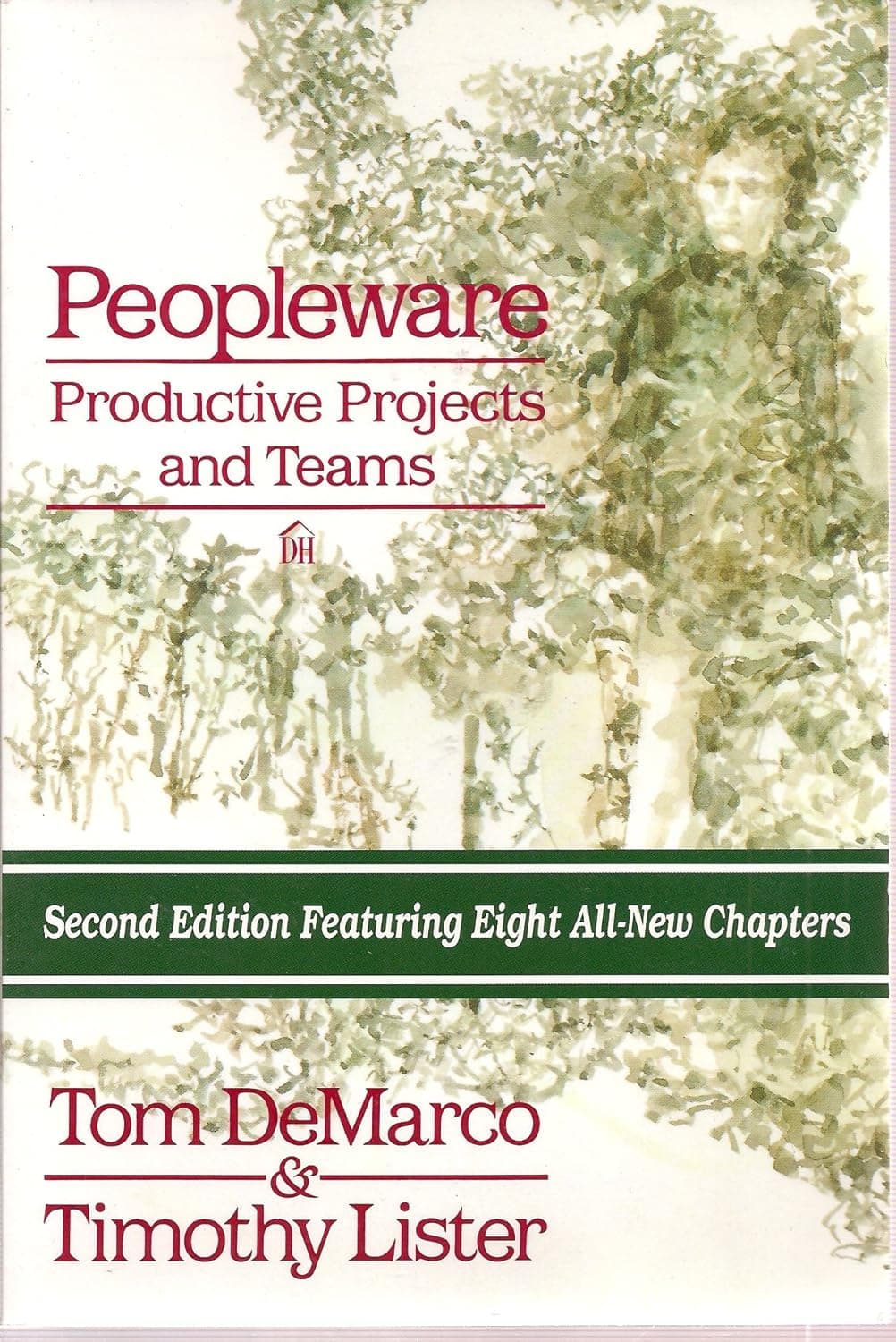
Peopleware argues that the main challenges in software development are human and organisational, not technical. Tom DeMarco and Timothy Lister draw on decades of consulting and research to address flow, interruption, office design, team formation, and the "project smell" of death-march deadlines. The tone is warm, anecdotal, and stubbornly people-first.
The book covers the cost of turnover, the importance of "jelled" teams, the damage of excessive overtime, and the role of management in creating conditions where good work can happen. It's been updated across editions but the core message is unchanged: treat people as the central asset.
Why I Recommend It
In a field that obsesses over tools and process, Peopleware is a corrective. It explains why quiet, focused work matters; why breaking up teams is expensive; and why "productivity" pressure often backfires. The arguments are backed by data and experience, and they're as relevant in remote and hybrid setups as in offices.
Key takeaways:
- Flow is fragile: Interruptions and context-switching have a real cost; protect focus
- Teams are organic: Jelled teams are valuable and fragile; don't reorganise without good reason
- Quality of work life matters: Burnout and turnover are management failures, not individual ones
Practical application: I've cited it when arguing for focus time, sensible office design, and protecting teams from churn. The "parking lot" and "teamicide" sections are useful for explaining why certain management behaviours hurt. For engineering leaders, it's a reminder that the job is to create an environment where people can do their best work.
A classic that still deserves a place on the shelf.
Favourite Quote
"The major problems of our work are not so much technological as sociological in nature."
DeMarco and Lister were saying this in the 1980s. It's still true: the hardest problems in delivery are about people, trust, and organisation—not the latest framework.