Synopsis
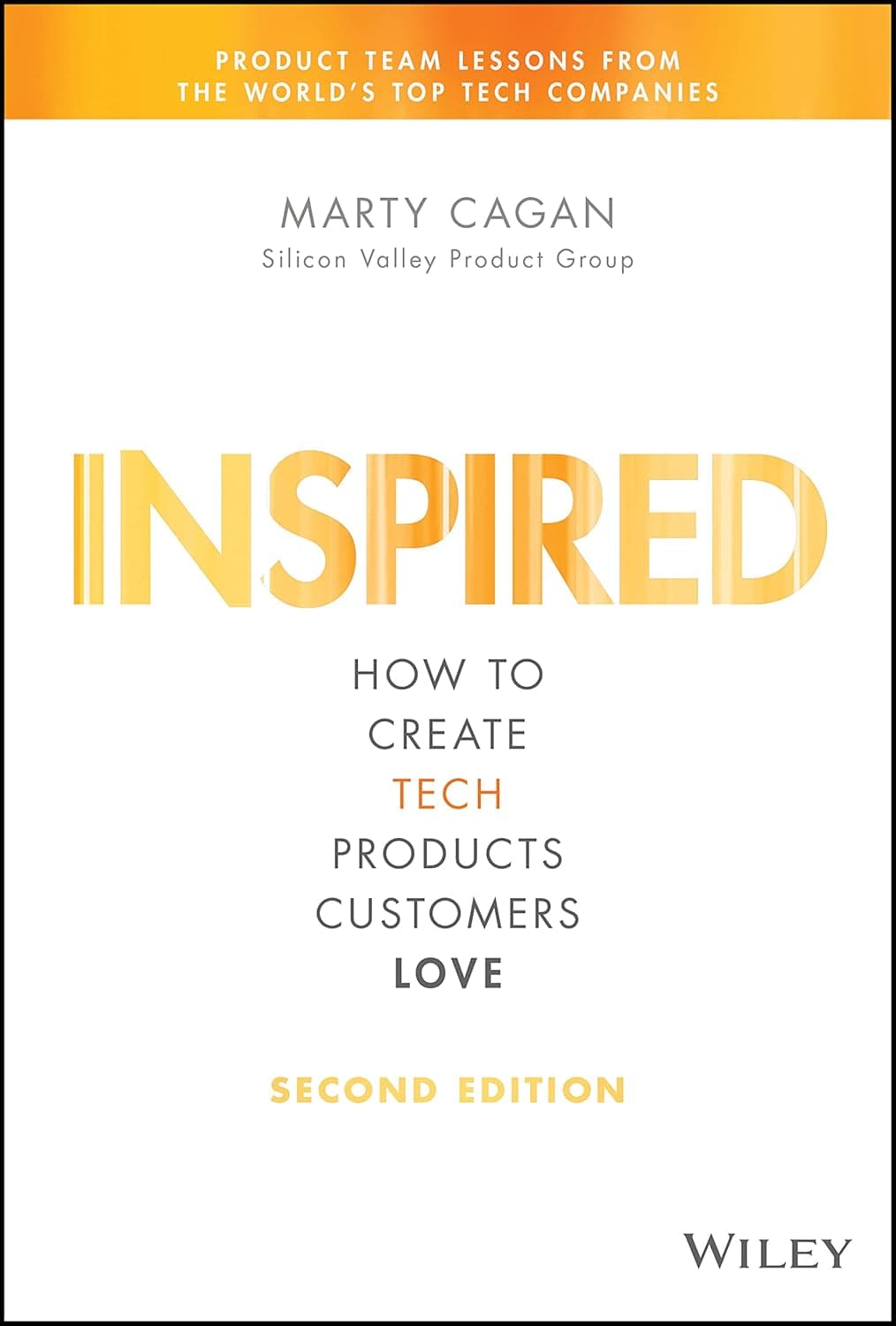
Inspired is Marty Cagan's guide to building tech products that customers love. He distinguishes discovery (figuring out what to build and whether it's valuable, usable, and feasible) from delivery (building it), and argues that the best product teams do both in tight loops with customers and stakeholders. The book covers the role of product managers, product strategy, and the organisational conditions that enable good product work.
Cagan draws on his experience at HP, Netscape, and eBay and his work with product organisations since. He's clear about anti-patterns: feature factories, HiPPO-driven roadmaps, and product managers who don't talk to users. The second edition adds material on product discovery techniques and scaling product orgs.
Why I Recommend It
This is one of the defining books on product management in tech. It gives a clear philosophy: product is about solving real problems with evidence, not about shipping a backlog. The distinction between discovery and delivery, and the emphasis on empowered product teams, has shaped how many companies structure product work.
Key takeaways:
- Discovery before delivery: Validate value, usability, and feasibility before committing to build
- Empowered product teams: Teams need problems and context, not feature lists; they decide the solution
- Outcomes over output: Measure impact on user behaviour and business results, not story points or features shipped
Practical application: I've recommended it to product managers, engineers moving into product, and leaders building product organisations. The chapters on stakeholder management and "managing up" are useful for anyone in a matrixed environment. The anti-patterns help diagnose why a product org isn't working.
For anyone in or around product, it's essential reading.
Favourite Quote
"The job of the product manager is to discover a product that is valuable, usable, and feasible."
Cagan's one-line definition cuts through role inflation. Product management is discovery—finding the right thing to build—not just writing specs and managing backlogs.